
Guidance You Can Trust—When You Need It Most
Making care decisions for a loved one can feel overwhelming, especially when you’re unsure what signs to look for or what options are available.
Our resource center is here to help—with clear, practical guidance you can rely on at every stage of the journey.
Guidance You Can Trust—When You Need It Most
Making care decisions for a loved one can feel overwhelming, especially when you’re unsure what signs to look for or what options are available.
Our resource center is here to help—with clear, practical guidance you can rely on at every stage of the journey.
Suggested Articles
Signs Your Loved One Needs 24-Hour Care
It can be difficult to know when occasional help is no longer enough. Common signs include frequent falls, wandering, confusion at night, missed medications, poor hygiene, or difficulty managing daily tasks like eating and bathing. If your loved one’s safety is becoming a concern or you’re feeling overwhelmed as a caregiver, 24-hour care ensures constant supervision, immediate assistance, and peace of mind for the entire family.
How to Manage Dementia Care at Home
Caring for someone with dementia at home requires patience, structure, and specialized support. Establishing a consistent daily routine, maintaining a calm environment, and using clear, simple communication can reduce confusion and anxiety. Safety modifications—like removing hazards and preventing wandering—are essential. Professional caregivers trained in dementia care can provide personalized support, helping your loved one remain comfortable and engaged while easing the burden on family members.
When Skilled Nursing Is Needed vs. Home Care
Home care is ideal for individuals who need help with daily activities such as bathing, dressing, meal preparation, and companionship. Skilled nursing, on the other hand, is necessary when medical care is required—such as wound care, medication management, injections, or monitoring chronic conditions. Understanding the difference ensures your loved one receives the right level of care, whether that’s supportive assistance, clinical oversight, or a combination of both.
How to Prevent Falls in Seniors
Falls are one of the most common risks for older adults, but many are preventable. Simple steps like removing tripping hazards, improving lighting, installing grab bars, and encouraging proper footwear can make a big difference. Regular exercise to improve strength and balance, along with medication reviews, also helps reduce risk. Having a trained caregiver present adds an extra layer of safety, providing supervision and immediate assistance when needed.
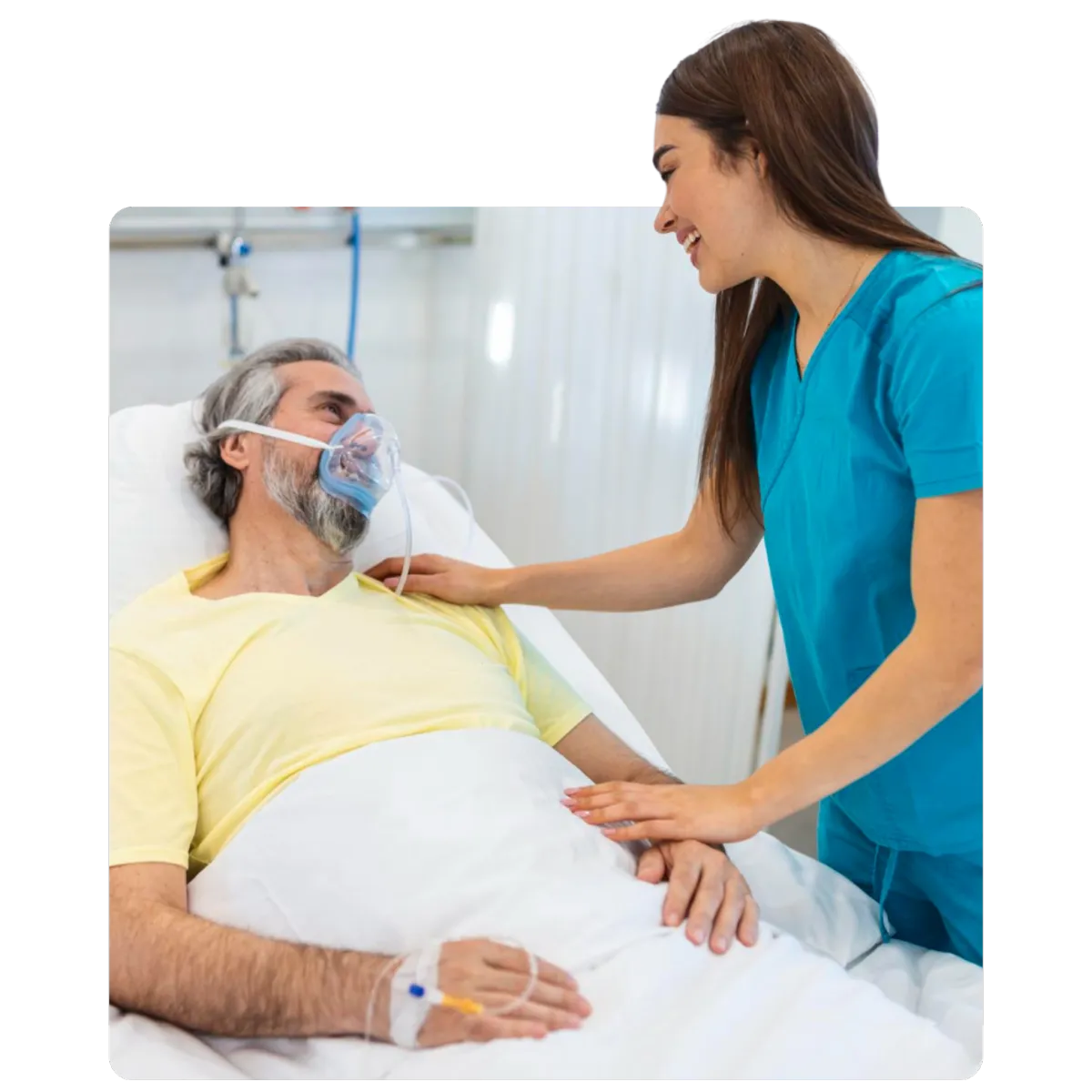
High-Acuity Patients We Commonly Support
Tracheostomy patients (adult + pediatric)
Ventilator-dependent care
PEG/G-tube/J-tube feeding
ALS and neuromuscular disorders
High cervical spinal cord injury
Traumatic brain injury (TBI)
Stroke with dysphagia
Complex pediatric airway cases
MS / muscular dystrophy & progressive neuro disease
Discharging Soon? We Can Start Fast.
Opieka Care is built for complex transitions. Our team can complete intake quickly, align DME needs, and deploy appropriately trained nurses, so families aren’t left scrambling after discharge.
Families & Caregivers
Feeling overwhelmed after discharge? We’ll walk you through the first steps and build a safe in-home plan.

Case Managers & Discharge Planners
Alzheimers, 24 hour care, Skilled Nurses, Veterans Care. Fast response. Clear communication and documentation.

Built for High-Acuity Care
RN Clinical Director
Ventilator-certified staff (where applicable)
Skills validation
Emergency preparedness planning
Schedule a Consultation Today
Tell us about the patient, discharge date, and equipment needs. We’ll respond quickly.
Nurses/CNA/Companion & Sitters Needed Join Opieka Care

Service Area:
Forsyth, Hall, Rockdale, Putnam
Oconee, Greene, Gwinnett, Fulton,
Dekalb, Henry
License # PHCP045249
quicklinks:
Copyright © Opieka Staffing. d/b/a Opieka Care. All rights reserved. Powered by b.Digital Consulting